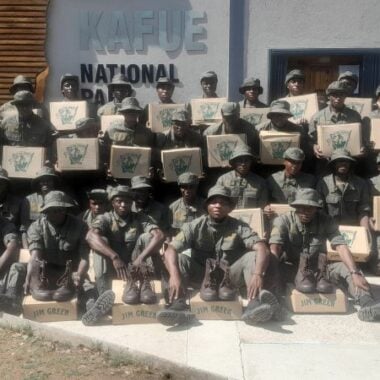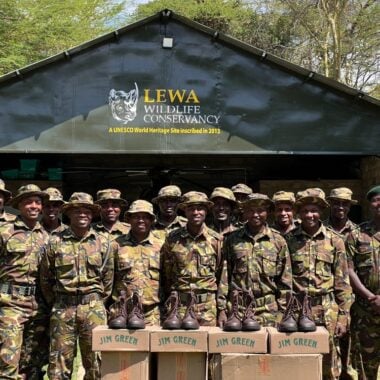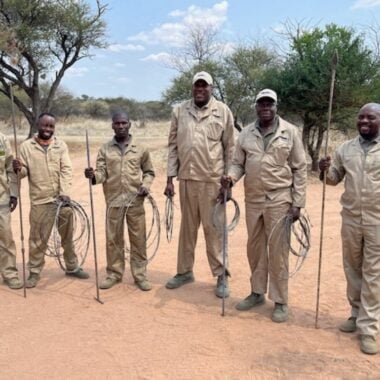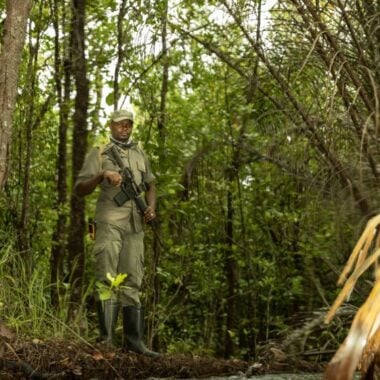
In 2024, rangers at Gonarezhou National Park collectively walked over 862,000km on foot patrols. That’s the equivalent of circling the Earth more than 25 times on foot.
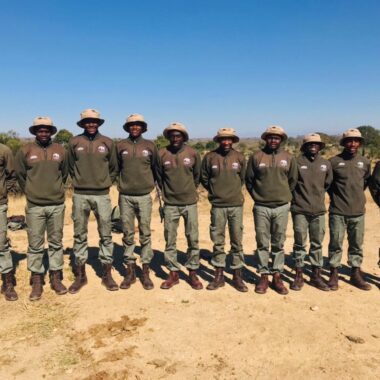
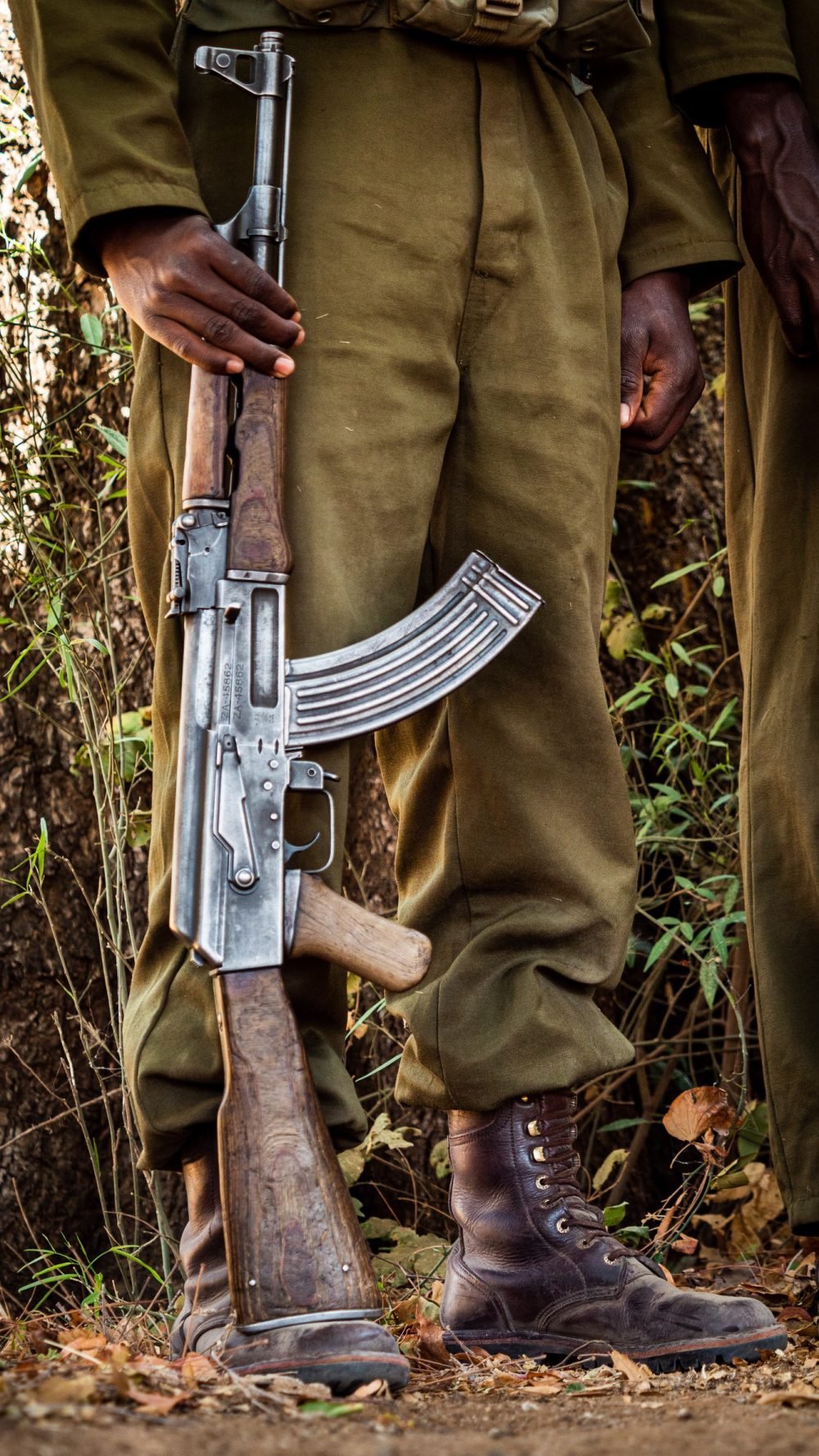
Covering that kind of distance requires more than grit; it requires gear that lasts. Rangers describe their Jim Green boots as “Very comfortable and highly durable, especially with the long distances and tough terrains we walk during patrols. The boots are our means of transport. Good ones help us achieve results for conservation.”
“Rangers are the engine room of everything we do,” says Simon Capon, Trust Director of the Gonarezhou Conservation Trust (GCT). “If we want to achieve conservation impact, whether that’s restoring rhinos, reducing bushmeat poaching, or gathering better data, rangers are the ones making it happen in the field.”
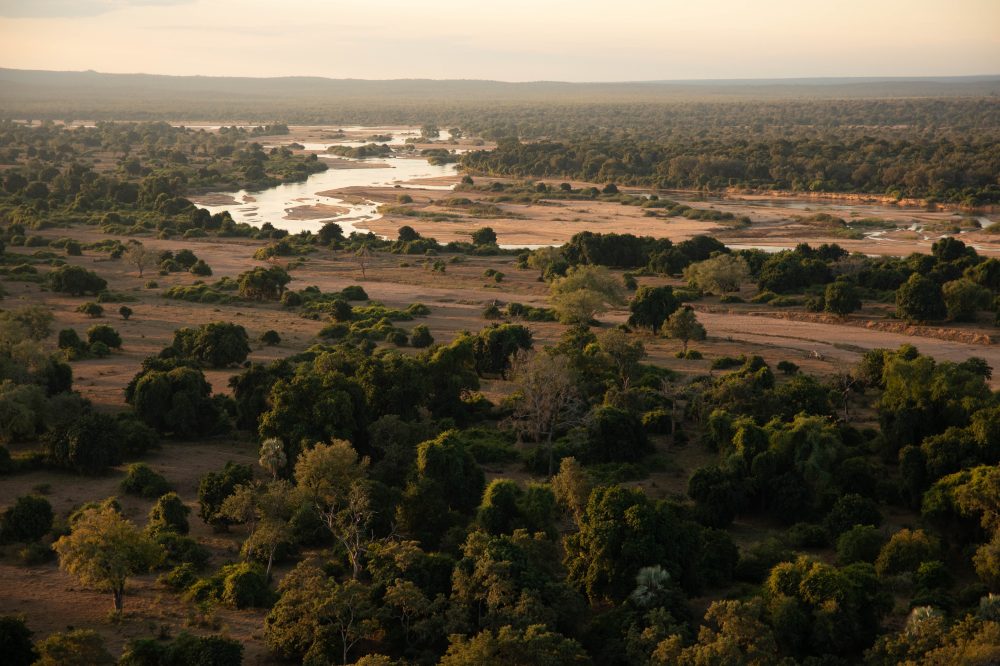
 Located in the far southeast of the country, bordered by the Save and Mwenezi Rivers, Gonarezhou National Park spans more than 5,000 square kilometres. It forms part of the Great Limpopo Transfrontier Conservation Area, linking conservation efforts with neighbouring parks in Mozambique and South Africa.
Gonarezhou is managed by GCT, a co-management partnership between the Zimbabwe Parks and Wildlife Management Authority and the Frankfurt Zoological Society. Since 2017, GCT has been responsible for the full operational management of the park, including ranger patrols, tourism infrastructure, ecological research, and community engagement.
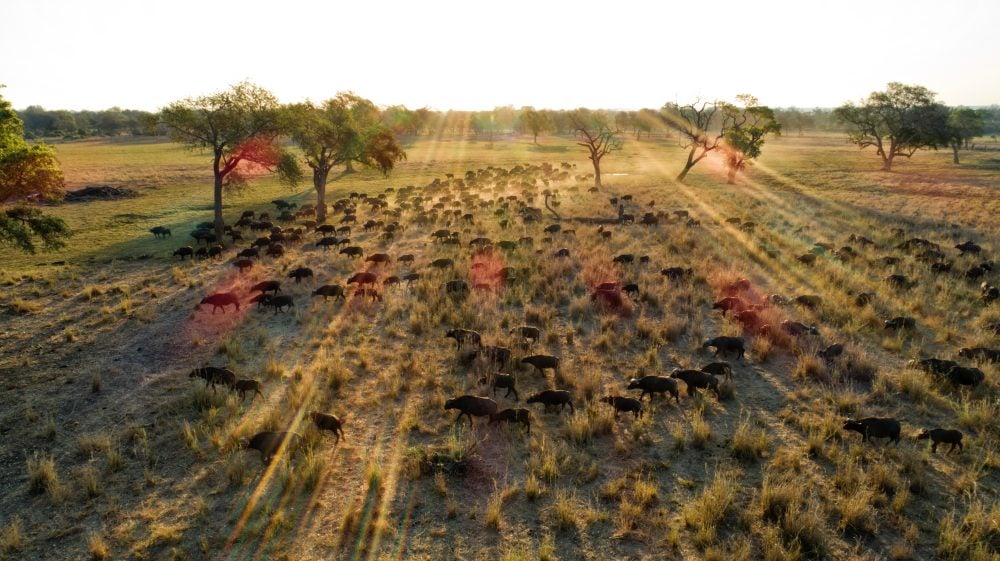
The park is home to over 11,000 elephants, as well as wild dogs, lions, nyala, and more than 450 bird species. In recent years, the Trust has also overseen the reintroduction of black and white rhinos and the return of pangolins, each one endangered and until recently missing from the park for decades.

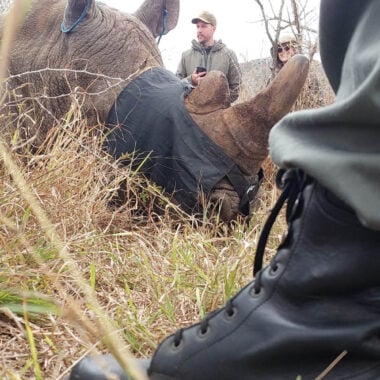
The return of rhinos is one of the park’s most significant milestones. Black rhinos were reintroduced in 2021, followed by white rhinos in 2025. These efforts involve veterinary support, ongoing monitoring, and long-term habitat planning. GCT is also deeply involved in pangolin rescue and post-release monitoring, building one of the most detailed pangolin tracking programmes in the region.
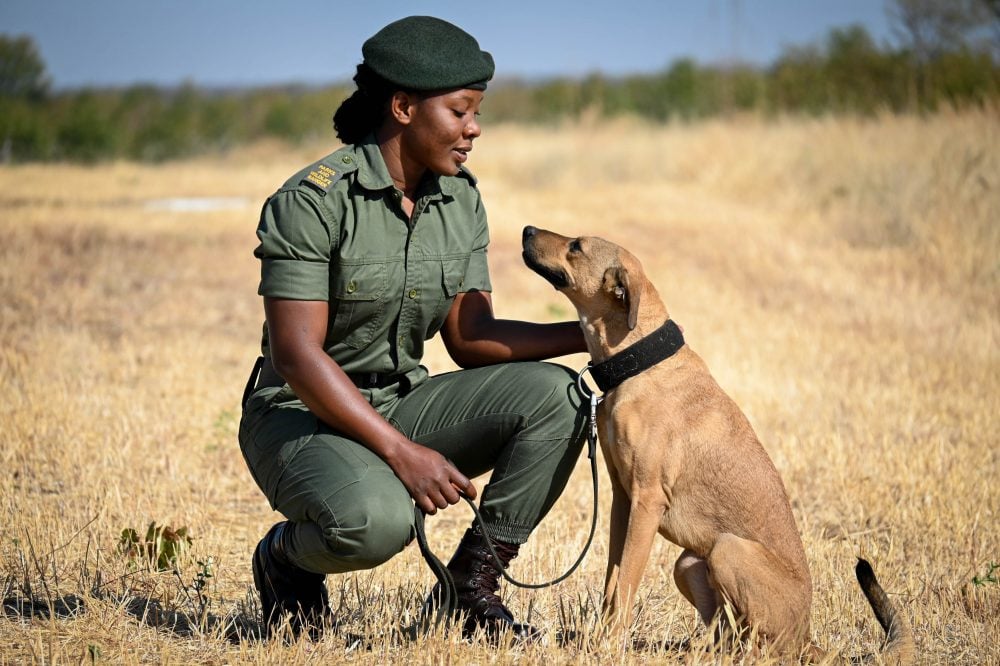
Ranger work is central to these achievements. Most are trained at GCT’s in-house ranger training centre, where they receive instruction in law enforcement, human rights, first aid, tracking, survival skills, and leadership.
“We believe we are building a ranger cadre that is respected in the region,” says Capon. “These initiatives all support long-term operational capacity and investment in the ranger cadre—essentially making conservation work a career and not a short-term job.”
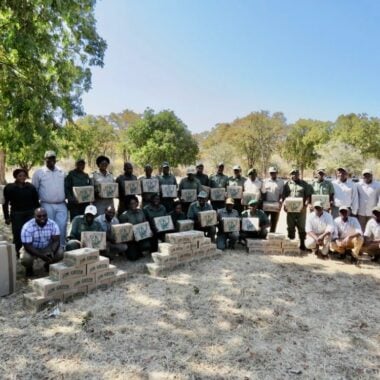
In 2024, that investment included providing rangers with Jim Green boots through the Boots for Rangers programme, ensuring those on the ground are properly equipped for the long road ahead.
GCT’s work doesn’t stop at the park’s boundaries. Through its Mphfuka community platforms, the Trust collaborates with local villages to identify needs and co-develop solutions. These include CoCoBa groups (community conservation banks), chilli farming, fishponds, and community-run tourism initiatives like Bosman’s Community Camp.
The aim is to improve livelihoods while reducing pressure on natural resources. GCT helps communities access training, markets, and peer learning networks to ensure these initiatives can grow and last.
“If conservation is to succeed in Africa, it must work for people,” says Capon. “Our goal is to create value at a household level, so that communities don’t just tolerate the park, but benefit from it.”
On the research side, GCT conducts regular monitoring to guide conservation decisions. Current priorities include:
• Elephant and predator movement patterns
• Habitat and vegetation dynamics
• Aquatic ecosystem and waterhole monitoring
• Vulture tracking to detect poisoning events
• Rhino monitoring and post-release behaviour
This data supports patrol planning and park management, while also feeding into regional and global conservation efforts.
As one of just seven sites globally supported by the Legacy Landscapes Fund, Gonarezhou benefits from secure, long-term financing for ranger salaries, operations, and strategic growth.
Tourism remains a core part of this model. With funding from the SADC Transfrontier Conservation Areas (TFCA) initiative, GCT is upgrading infrastructure, building a new visitor centre and park gate, and creating a curio shop to showcase locally made products.
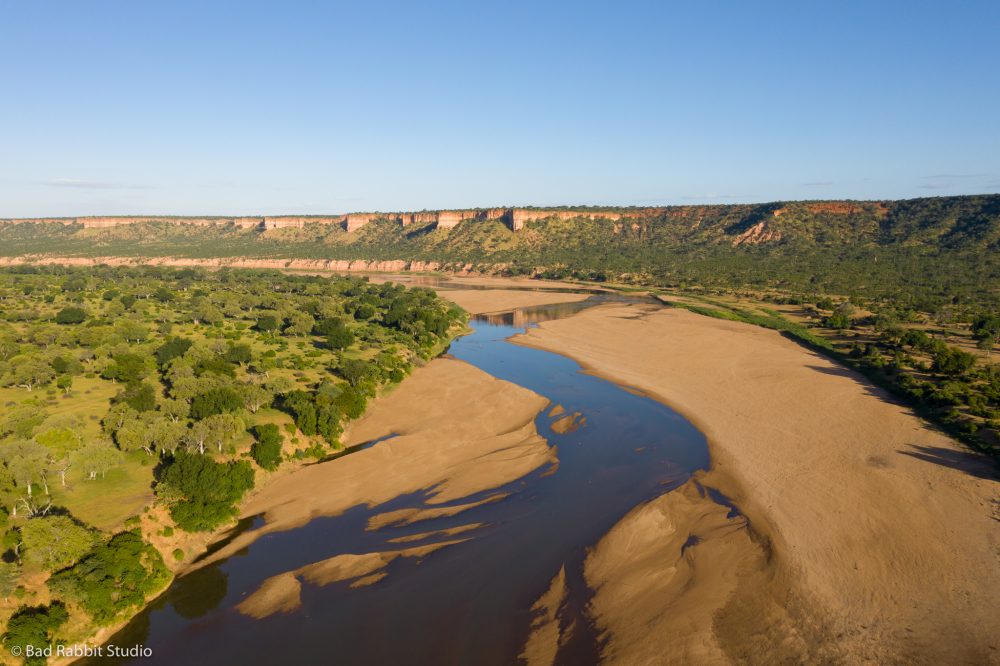
From the sandstone ridges of the Chilojo Cliffs to floodplains and mopane woodlands, Gonarezhou is a landscape of beauty, complexity, and cultural significance. Its protection depends on a mix of boots-on-the-ground conservation, local partnerships, and long-term vision.
And at the heart of it all are the rangers—walking, tracking, and protecting this place, step by step.
We’re proud to support their journey.
Cheers,
The Jim Green Team