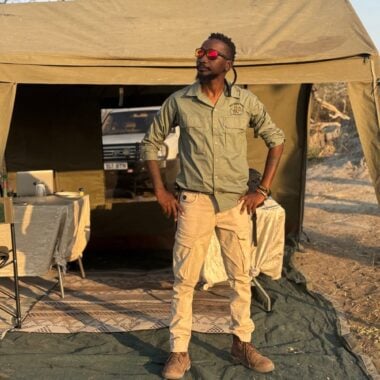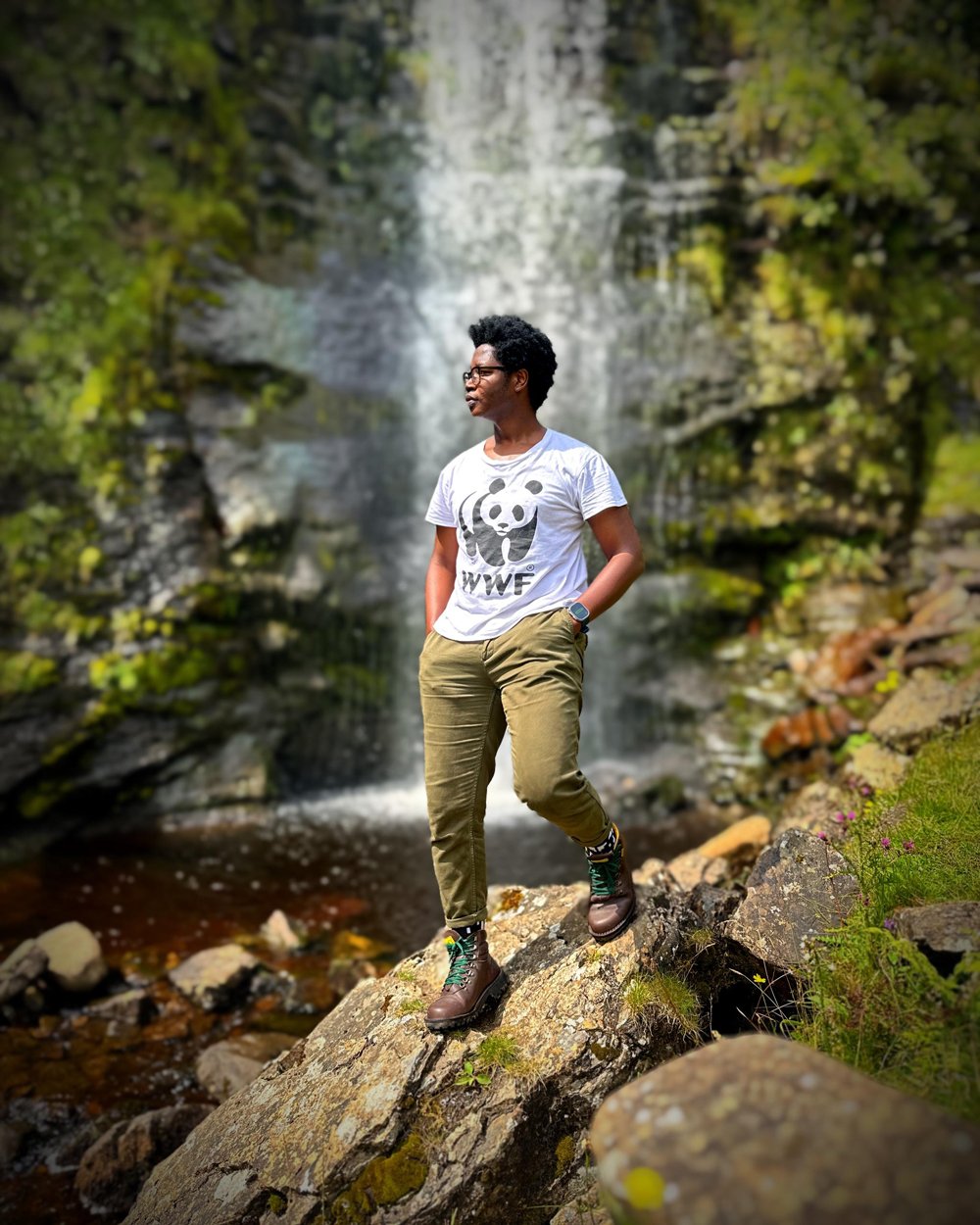
Before he was a freshwater scientist in the United Kingdom, Tapiwa Zimunya was a boy roaming mountains. “I’d say my love for nature stems from the environment I grew up in,” he says. Forests, rivers, and rolling peaks surrounded his grandfather’s homestead in the eastern highlands of Zimbabwe. “There wasn’t much technology back then. These environments naturally became our playgrounds and became part of us.”
With this freedom came a deep reverence for the land. “There were some forests that were deemed sacred, where locals were not allowed to go look for firewood, and sacred pools where it was taboo to go fishing. Even some fish species that weren’t supposed to be harvested.”
Those traditional systems weren’t found in textbooks. They were carried in stories, passed down through generations around evening fires. His grandfather would help them identify species, sharing facts and taboos in the same breath. “His teachings really stuck with me,” Tapiwa says. “Since then, I have always been an animal and nature lover, and enjoyed being outdoors.”
Long before he knew the word “ecology,” he understood that nature is more than just a resource. It is a relationship. Seven years ago, that relationship took him across the world. Originally from Zimbabwe, Tapiwa is now based in Leeds, West Yorkshire, where he moved to pursue his PhD. Today, he is a freshwater biologist focused on understanding river and stream health.
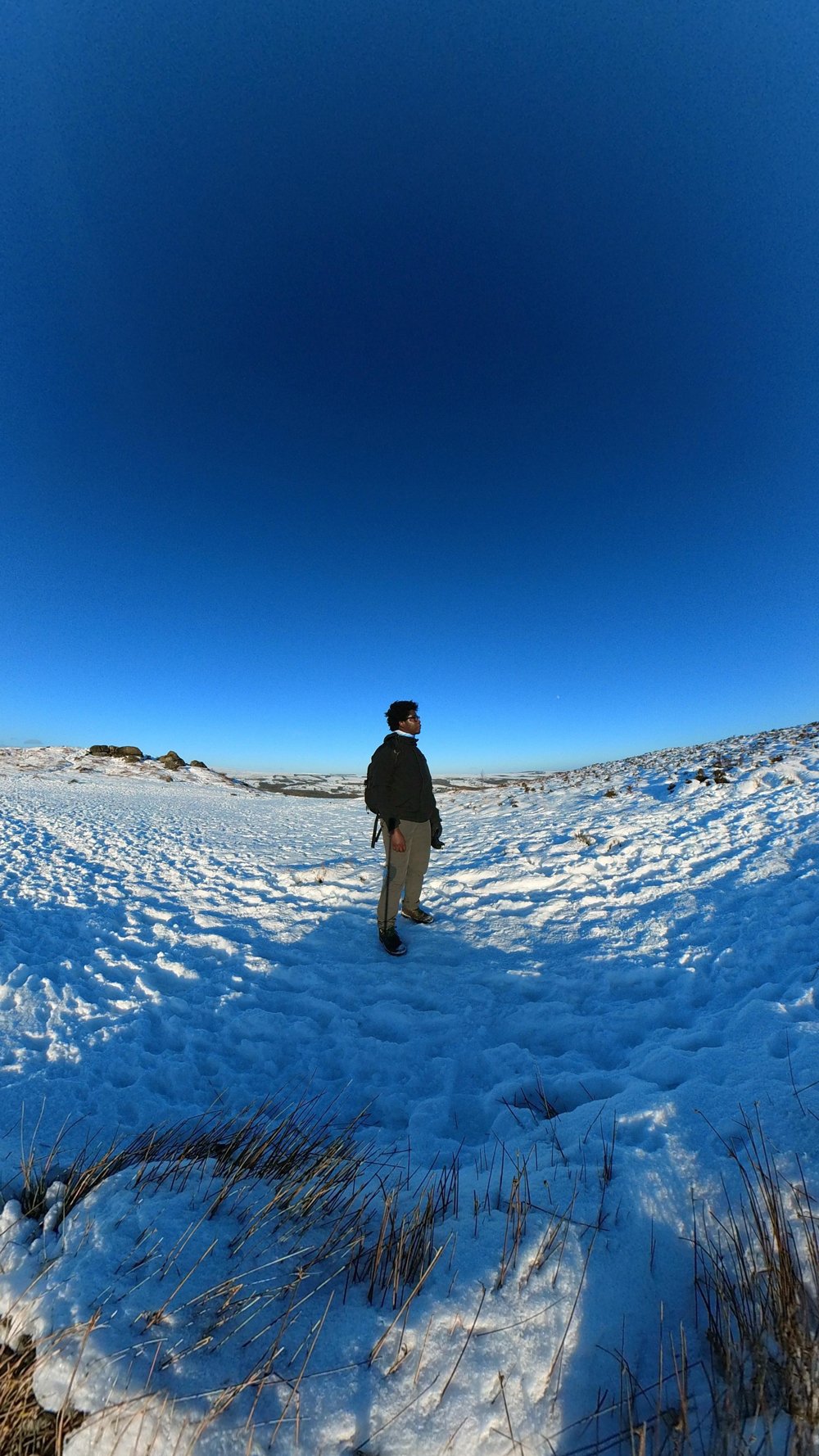
“My work revolves around finding ways we can maintain and improve these ecosystems,” he explains. “Particularly, balancing between human water needs and ecological needs in freshwater systems.”
River research, he says, is about understanding the interactions among the physical, chemical, and biological components within river ecosystems and how human activities like agriculture, mining, dams, and settlements influence them.
“The idea is to keep all human activities in check and find ways we can minimise their impacts,” he says. “Trying all we can to keep riverine ecosystems as close to natural as possible, ensuring that future generations can also enjoy the same benefits of having natural river systems.”
His work may be grounded in science, but its roots go back to those early lessons about respect and responsibility. Protecting rivers is something he takes personally.
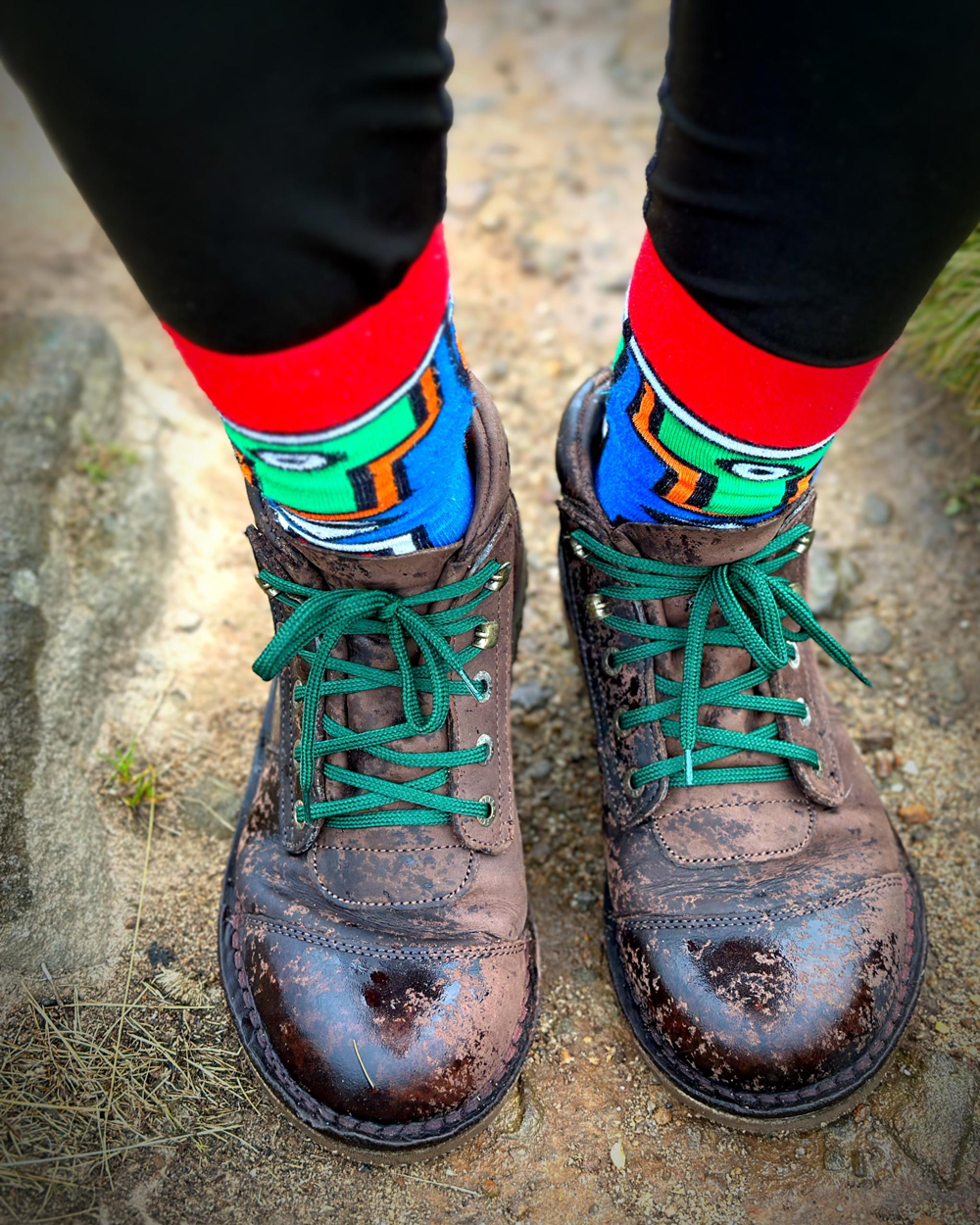
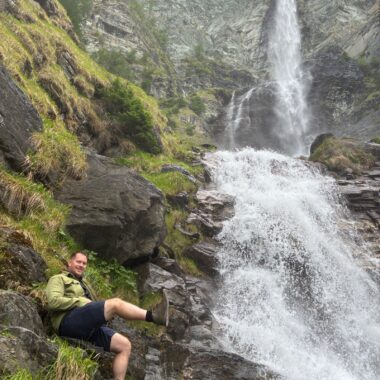
When Tapiwa first started hiking in the UK, he didn’t have proper hiking boots. He just wore trainers. “They were quite comfy,” he laughs, “but they didn’t tackle the UK terrain well. Oftentimes I’d slip into mud, and end up coming back home with muddy pants, muddy trainers, and soaked feet.”
For someone who spends his days along riverbanks and in unpredictable weather, that was not going to cut it. “I desperately needed a pair that was tougher with great ankle support and traction, but also waterproof. Something that would really tackle the tough UK terrain with ease during my field site visits and hiking adventures.”
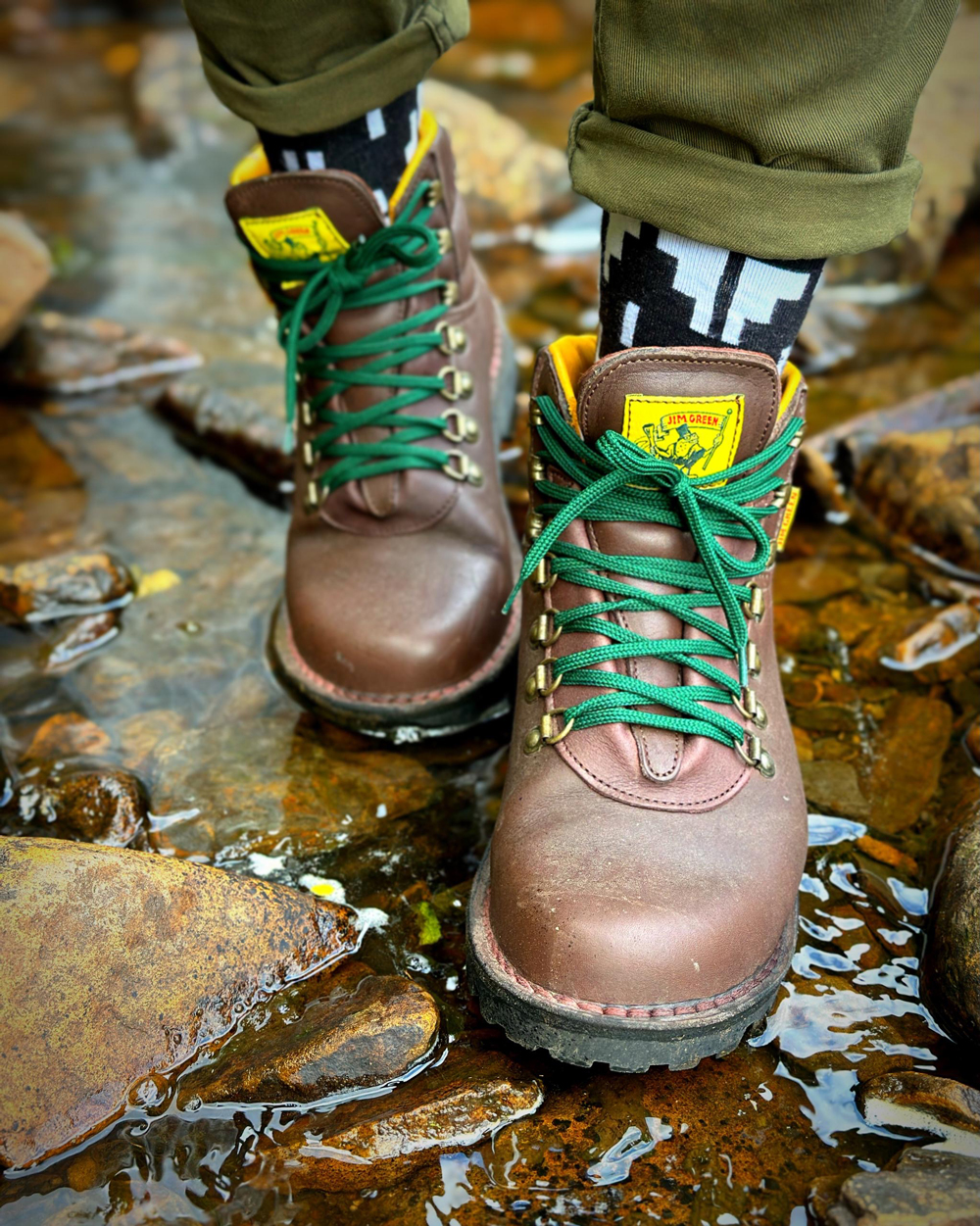
In 2024, while searching for proper hiking boots, he came across Jim Green. Beyond performance specs, he was looking for something more. “I was particularly interested in getting a pair of boots from a company that was into sustainability, and JG wowed me,” he says. “I really loved the idea that they offer resoling services, combating the throw-away culture.”
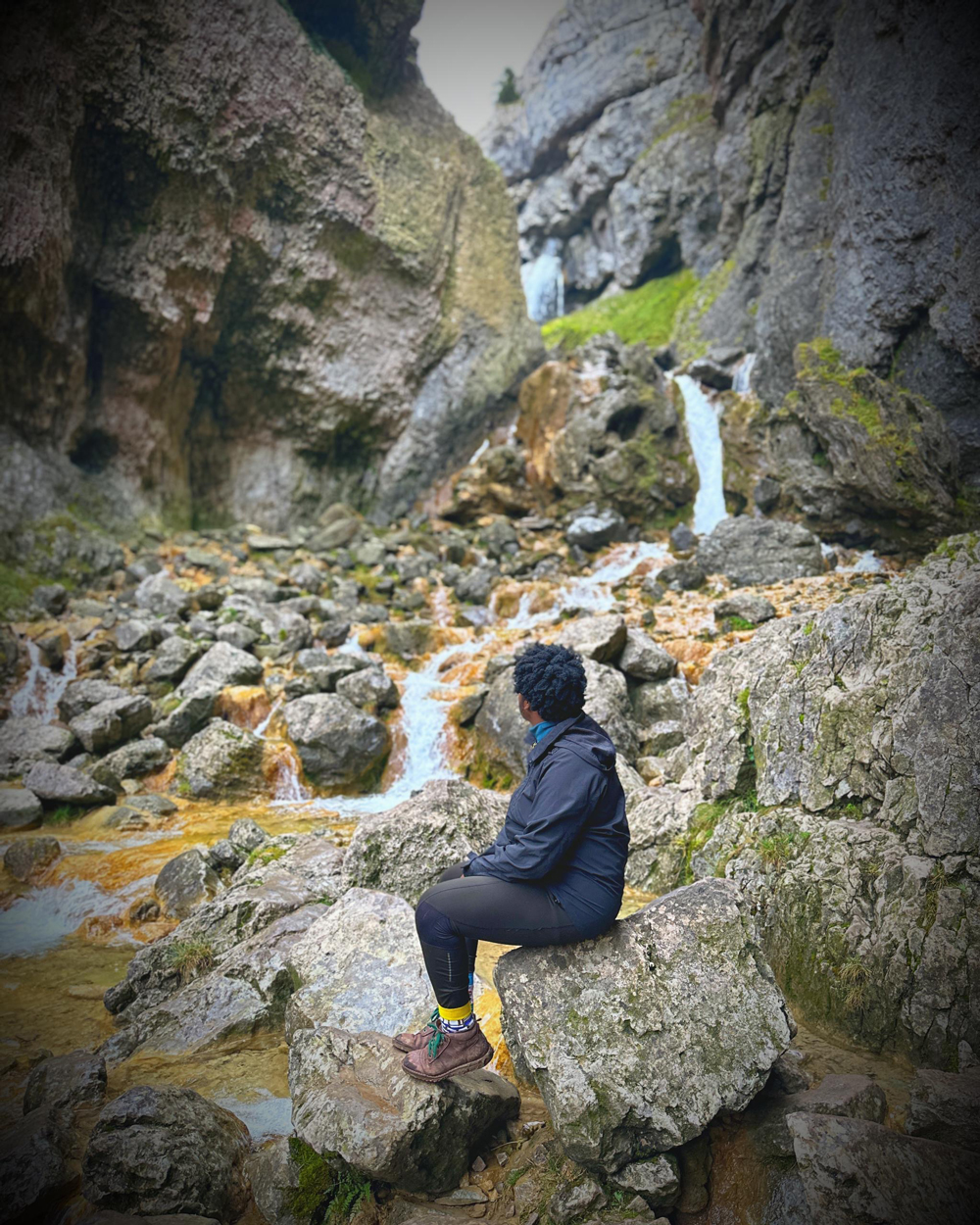
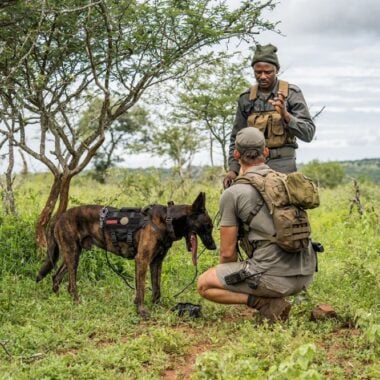
“It was refreshing to see their amazing contribution to conservation, donating boots to our amazing rangers who are working tirelessly to protect our wildlife resources across southern Africa,’ he continues.
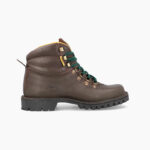
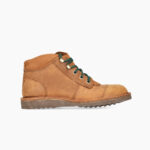
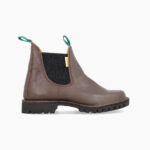
That mattered to someone raised on stories of sacred landscapes. He started with the Razorback in Brown and the African Ranger in Houston Brown. Now, there’s another pair on his radar. “I’ve been eyeing the Monster Waterproof boots. As someone working in rivers, waterproof boots are non-negotiable.”
The line is both practical and symbolic: Waterproof boots for someone who studies rivers. Protection against the elements while protecting the elements themselves. Keeping water out so that water systems can endure. It feels like a fitting partnership. Tapiwa’s path has always followed water. And wherever it flows, he is working to ensure it remains alive for those who come after him.