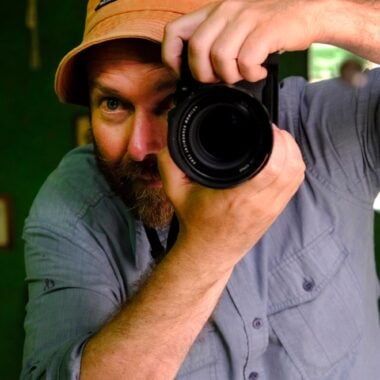
At twelve years old, sitting in the back seat of a game viewer in northern Kruger, John Kinghorn didn’t know he was starting something that would shape the rest of his life. The drive had been quiet. Somewhere near Shingwedzi, a spurfowl flushed from the side of the road. “I didn’t quite know what it was,” he recalls.
With little else to do, he pulled a bird field guide from the seat pocket in front of him and began paging through it, trying to identify the bird they had just seen. He never did solve the mystery of that particular spurfowl. But in the process, something else happened. “I realised there were a whole bunch of other remarkable birds in those pages.”
The next morning, as dawn broke around the Kruger chalets and birds gathered in the trees overhead, he opened a notebook and wrote down the first entry of what would become a lifelong list. Number one: Southern Yellow-billed Hornbill.
“The rest was pretty much history after that,” he says.
John was born in Port Elizabeth but grew up in Johannesburg. His parents were not professional conservationists. His father is a chartered accountant and his mother an advocate. But conservation was always part of their values. “They support it in every way they can,” he says. “In my mind, they meet all criteria for conservationists.”
Living in the country’s economic hub could easily have meant a childhood spent indoors. Instead, his parents made sure that whenever possible, the family escaped to wild places. At home, John devoured nature programmes. While other kids watched cartoons, he gravitated toward National Geographic, Discovery Channel, and the voices of people like David Attenborough and Steve Irwin.
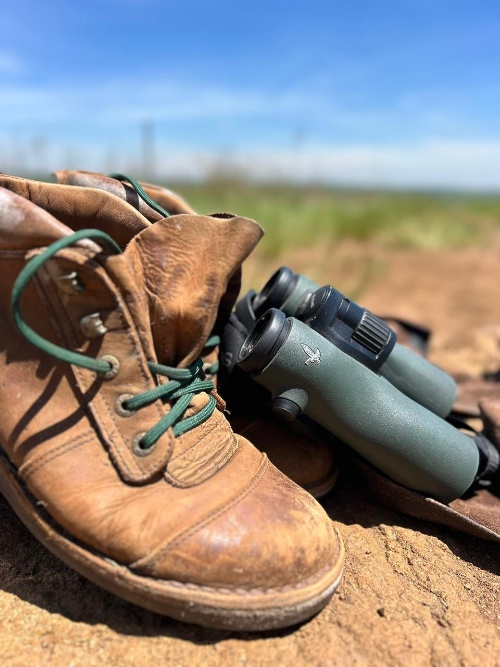
Back at school, birding took on a life of its own. Armed with a battered pair of binoculars, John would head out across his school’s sprawling grounds the moment the bell rang. “I’d put my books in my locker and just walk the campus flat for days on end,” he says. “Trying to find new birds and discovering new things.”Every sighting felt like an adventure.
The list kept growing.
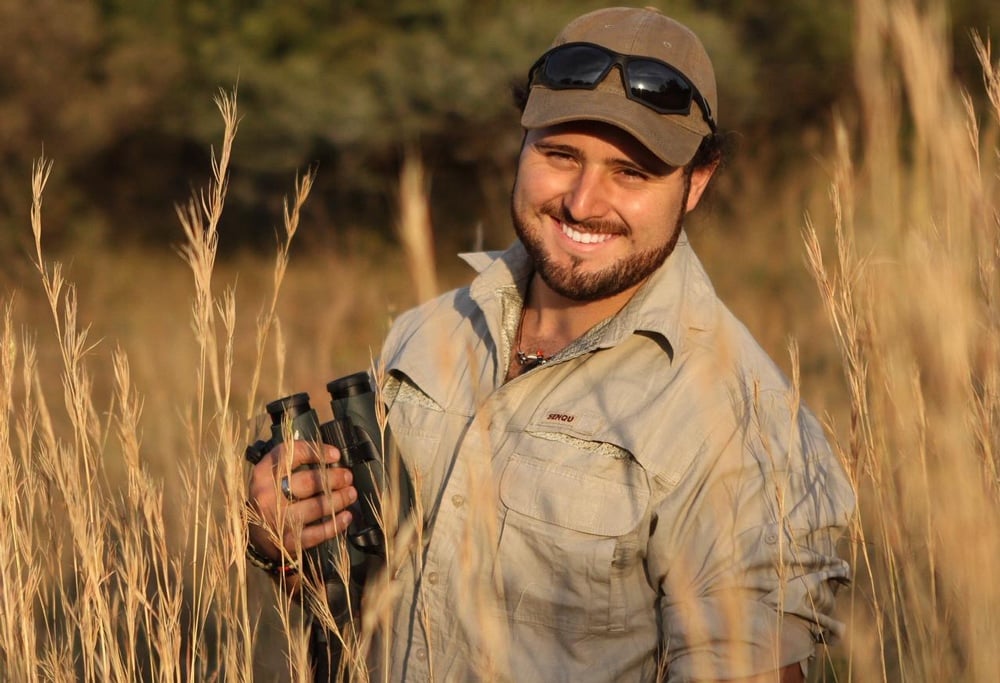
After finishing school, that curiosity escalated quickly. John qualified as both a professional safari guide and a specialist bird guide. His work took him across the globe, from Southeast Asia to Antarctica, sharing birds and wild places with travelers.
And yet the obsession reached another level in 2014. At nineteen years old, John set himself a challenge: travel across southern Africa and try to see more than 800 bird species in a single year. At the time, only five people had ever achieved that milestone.
His goal was not only to reach the number, but to become the youngest person to do it. On 19 December 2014, he crossed the threshold.
By the end of the year, he had recorded 803 species.
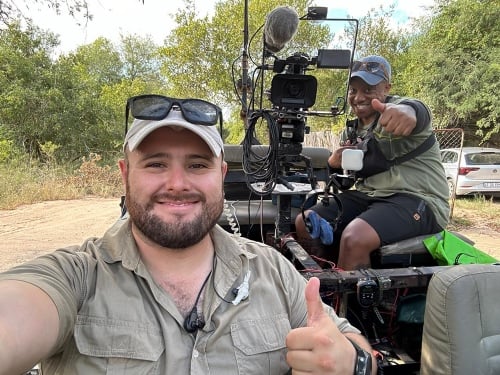
At the same time he was guiding, John was also pursuing another path. Law runs in his family. His mother and sister are advocates, and he began studying toward a law degree remotely while traveling for work. The result was a strange balancing act: wildlife expeditions by day, legal assignments by night.
“I remember sitting on a flight to Papua in Indonesia,” he says. “Everyone else was watching movies and eating snacks, and I was trying to submit a civil procedure assignment on dodgy airplane Wi-Fi.”
Then COVID arrived. Like many in the guiding industry, John suddenly found himself grounded. Tourism stopped almost overnight. It forced a decision. He took what he calls a sabbatical from conservation and joined a law firm in Johannesburg, completing his articles and qualifying as an attorney of the High Court of South Africa.
For two years, he worked in litigation, but it never quite felt right. “If I had to spend another day wearing a suit and tie,” he says, laughing, “I was probably going to lose my mind.”
Once tourism recovered, he returned to the world he had left behind.
Today, John works with BirdLife South Africa, where he leads the Avitourism Project. The initiative promotes bird-based tourism in South Africa and supports a growing network of specialist bird guides across the country.
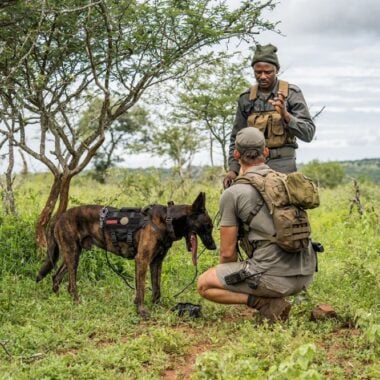
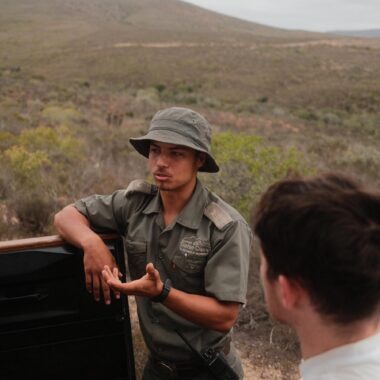
Many of these guides come from rural communities bordering protected areas and key biodiversity regions. Over the past 25 years, the programme has trained more than 250 guides, many of whom now run their own guiding businesses. “They’re phenomenal,” John says. “Some of the best birders in the country.”
Part of his role is mentoring new guides and helping them build careers around their knowledge of birds and ecosystems. It’s a powerful combination: conservation, tourism, and economic opportunity working together.
John’s current personal challenge is something called the Big Year of African Sounds. Unlike traditional birding challenges, which focus on seeing species, this one is centered on recording bird calls.
As a guide, John has always relied heavily on sound in the field. “I actually rely more on calls than my eyesight,” he says. John informs us that birdsong is far more complex than most people realise. Some species can produce multiple notes simultaneously using the two chambers of their vocal organ, called the syrinx. Others mimic dozens of different species within a single sequence. “It’s absolutely mind-blowing,” he says.
His goal this year is to record 400 species by sound, but the number isn’t the real objective. “It’s an opportunity for us to promote the joy of birds and their songs,” he says.
Birds face many of the same threats as other wildlife: habitat loss, climate change, and expanding human development. Migratory species face an especially difficult journey, moving between continents and encountering countless risks along the way. “It becomes a kind of gauntlet,” John explains. “Everything from habitat loss to hunting can affect whether they complete the journey.”
Some species are dangerously close to disappearing. He points to the Botha’s Lark, a small South African grassland bird with an estimated global population of just 340. “It might be the first bird we lose to extinction on mainland Africa within our generation,” he says.
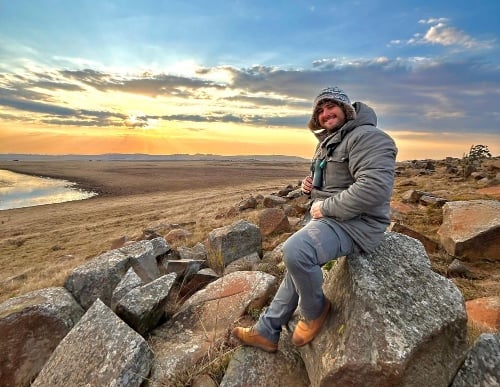
This reality reinforces the importance of being out in the field, tracking, recording, guiding, and sharing knowledge while there’s still time. It’s work that requires long days on foot, which is where the job’s practical side comes in.
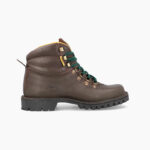
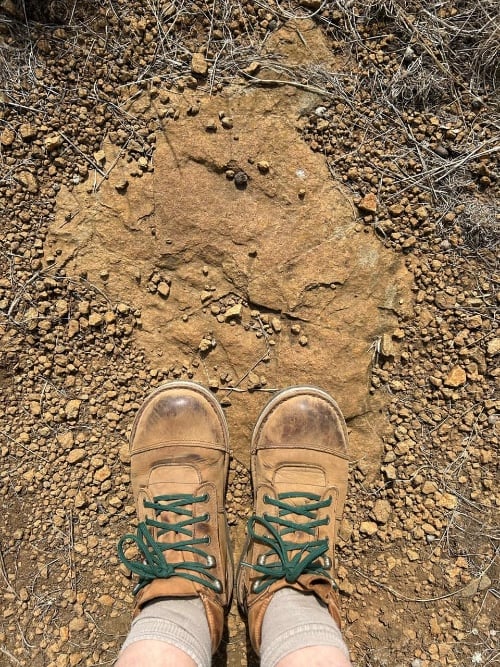
John first encountered Jim Green boots through colleagues in the guiding and conservation world. “I kept seeing professionals in the industry wearing them,” he says. His first pair was the African Ranger, and they quickly became his everyday field boots.
Nowadays, he rotates between the African Ranger and a Barefoot model. “It’s my everyday shoe,” he says. “Honestly, it’s this or nothing.”
Durability and comfort matter when much of your life is spent outdoors, moving between reserves, guiding trips, and fieldwork. “They’re the most comfortable shoes I own.”
More than a decade after writing that first entry in his notebook, John is still chasing birds. Today, it’s less about the number of species and more about sharing the experience with others. Somewhere out there, another young birder might be sitting in the back seat of a game viewer, paging through a field guide for the first time.
And everything could start with a single bird on a list.