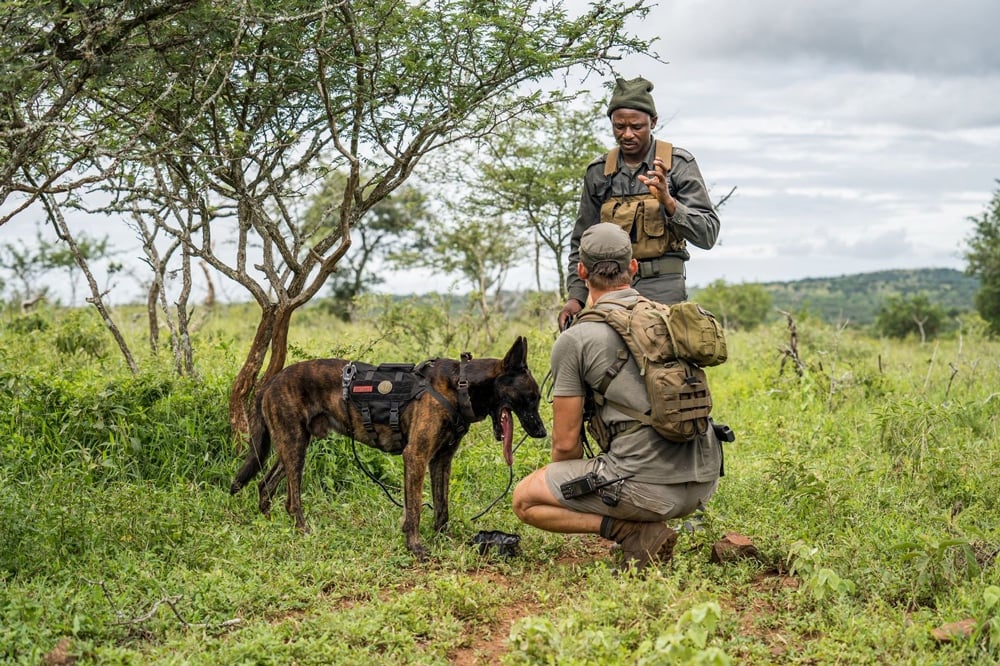
Chrisjan Visser is on the road when we speak, driving back to Hoedspruit. He spent six years there, first as a field ranger, later as a dog handler, before moving on, as many in conservation do. “I’m just going back to see some old friends,” he says.
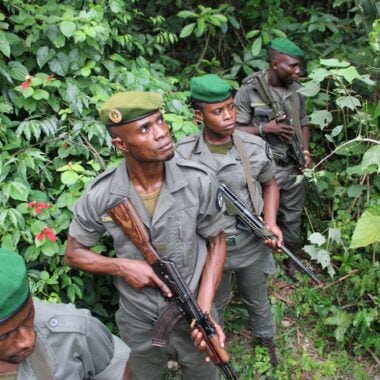
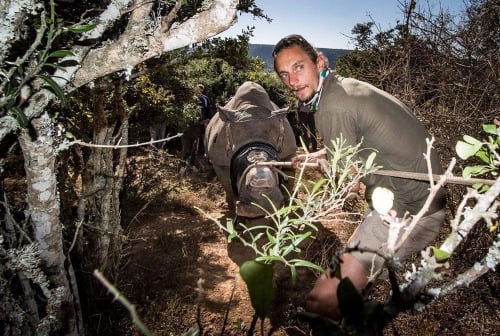
Hoedspruit is where his career took shape. He started in the field on long patrols, often up to sixteen days at a time. Everything went into a backpack – food, gear, and a rifle. Once out, there was no support. “You’re self-sufficient,” he says. “You live out there.”
It’s the kind of work that forces you to adapt quickly. You learn how to move through the bush, how to read tracks, how to pick up on small changes in the environment. Over time, those skills become instinctive.
As he moved into more senior roles, Chrisjan noticed the growing use of dogs in anti-poaching operations. “I saw the application early on,” he says. “Tracking, detection, apprehension.”
At the time, it wasn’t as widely used as it is today. But to him, it made sense. In the kind of terrain he was working in, dogs could do what humans couldn’t.
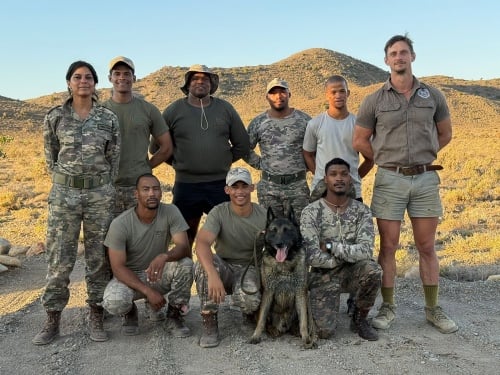
That thinking eventually led to the founding of Kilo9 Academy, where he now focuses on breeding, training, and deploying working dogs across Africa. The dogs operate in countries including Eswatini, Zimbabwe, Mozambique, and Kenya, supporting both conservation and security operations.
Tracking works on a different timeline in the bush. “In urban environments, if you’re two hours behind someone, they’re very likely in a vehicle and gone,” he says. It’s not impossible to use dogs in those settings, but it’s far more challenging. Scent is disrupted by traffic, people, and other contaminants, and it becomes harder to follow over time. In the bush, the conditions are more stable. “A dog can follow a track for kilometres. Hours old, sometimes even from the previous day,” he says. That difference changes how teams respond. It buys time and creates opportunities that wouldn’t otherwise exist.
At Kilo9, most dogs come from established working breeds—German Shepherds and Belgian Malinois—but Chrisjan is not rigid about it. “If the right dog is in front of me, I’ll use it,” he says. “It’s about the individual.” What matters is drive. It’s the willingness to work, to stay focused, to keep going under pressure. It’s the same thing he looks for in people. “Not everyone can do this job,” he says. “You need a certain level of tenacity.”
Beyond technical skills, the work comes with trade-offs. “We give up a lot,” he says. “Friends, family, relationships. You don’t live a normal life out here.”
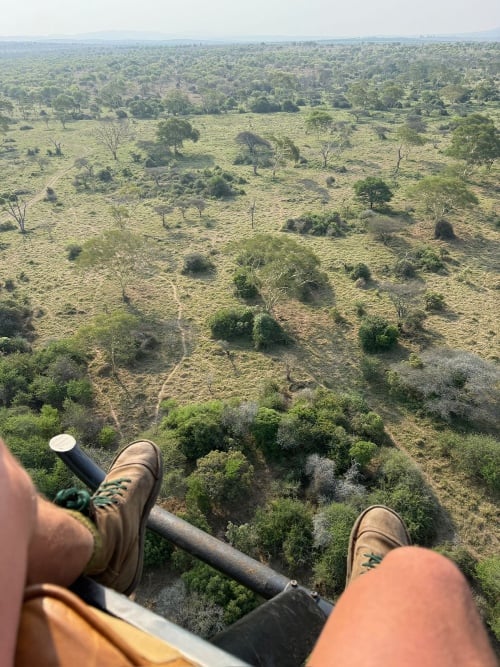
Time is spent in remote areas, often for extended periods. The work is demanding, and the risks have increased. “We weren’t supposed to have small militia armies on every reserve,” he says. “But that’s what it’s become.”
Poaching has shifted from opportunistic activities to organised crime. Teams now deal with well-equipped groups using advanced tools, from night vision to drones. In response, reserves have had to scale up: building security teams, canine units, and infrastructure to match. It works, but it comes at a cost.
Through the Kilo9 Foundation, along with partners like Wildhood Foundation, Chrisjan helps direct funding to the operational side of conservation, areas that are often overlooked.
“Puppies are cute to support,” he says. “But we still need diesel.”
It’s a simple way of putting it, but it reflects the reality of the work. Behind every deployment is logistics, including (but not exclusive to) fuel, food, training, and equipment.
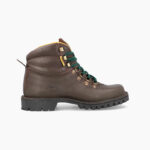
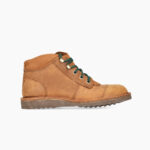
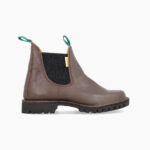
That same practicality carries through to the gear he uses. He had seen Jim Green boots around for years before getting his own pair through a reserve partnership. “I remember thinking, ‘Oh, these are those boots,’” he says.
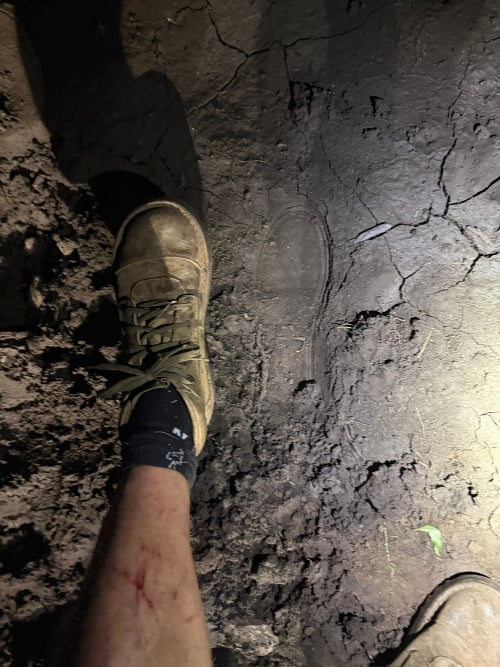
Now, they are part of his daily kit. “I’m wearing them right now.” They have been through mud, rock, and long hours on foot. He admits he has not taken much care of them. “I haven’t cleaned them once,” he says. “But they’ve got character.”
They are worn in, marked up, and still in use. Which, in many ways, fits the job.